













Skip to content
ProVJune26DigitalCover-1

June 2026
Summer Reading


Table of Contents

About Our Issue

Soak Up the Sun and Dive Into a Book

Whether we’re traveling for work or pleasure (or both), we often find ourselves away from home this time of year. And, when we do end up in an airport or a faraway destination, a book is an essential companion.

If you're hoping to avoid fighting for an outlet to keep your devices going or looking forward to using the time away to check a few items off your “must read” list, summer reading is a classic theme for mid-year downtime.

Looking for inspiration to boost your summer reading marathon? We have you covered. We've compiled several lists of books from a variety of reading campaigns we have led here at ProAssurance. We are also launching our annual challenge, The Big Read, as a way for you to join in and read along with us. Catch more inside this issue.

Summer is also a time ripe for connection as we head out to our regional agency meetings and agency visits. We look forward to catching up, discussing industry trends, sharing ideas, and hearing what is top of mind for your and your clients. As always, our Business Development team—and the rest of us here at ProAssurance—are standing by to connect whenever the opportunity arises.

Until then, enjoy the longer days, a good book, and all that summer has to offer!

WebBannersJune26-01
The Big Read

Business Books Read and Recommended by ProAssurance Staff

ProAssurance’s The Big Read was established in 2023 by Steve Dapkus, SVP, Marketing & Risk Management. The goal was to facilitate professional development and collaboration by encouraging team members to submit business books as candidates for a Big Read book discussion. In its first iteration, all books were shared for a community vote to select the book all participants would read and discuss. Later on, team members were given the opportunity to recommend a book and lead a session to encourage a larger variety of options for participants.

The Big Read provided a great opportunity for engagement and relationship development across the company as staff gathered together for book discussions. And, as a bonus, we now have a list of business and personal development books to recommend.

Atomic Habits by James Clear

No matter your goals, Atomic Habits offers a proven framework for improving—every day. James Clear, one of the world’s leading experts on habit formation, reveals practical strategies that will teach you exactly how to form good habits, break bad ones, and master the tiny behaviors that lead to remarkable results.

If you’re having trouble changing your habits, the problem isn’t you. The problem is your system. Bad habits repeat themselves again and again not because you don’t want to change, but because you have the wrong system for change. You do not rise to the level of your goals. You fall to the level of your systems. Here, you’ll get a proven system that can take you to new heights.

Get Out of Your Own Way by Mark Goulston and Philip Goldberg

Self-defeating behavior is the No. 1 reason that people seek psychotherapy. Whether it’s envy, compulsion, inaction, holding a grudge, or not moving on, so many of our biggest stumbling blocks are self-imposed, preventing us from achieving the happiness, love, and success we all want in our lives. The good news: We can do better.

Get Out of Your Own Way explains why we sabotage ourselves and offers proven steps of action to transform behavior from self-defeating to life-enhancing. With anecdotes and usable insights drawn from decades of clinical practice, Goulston shares ideas that have helped thousands of patients overcome pain, fear, and frustration to approach life’s challenges with dignity, courage, and even humor.

Good to Great: Why Some Companies Make the Leap ... and Others Don’t by Jim Collins

The creation of this book was the product of an extensive study project in which Collins and his colleagues examined a number of outstanding businesses to determine the elements that enabled them to attain and maintain extraordinary levels of performance.

Using tough benchmarks, Collins and his research team identified a set of elite companies that made the leap to great results and sustained those results for at least 15 years. How great? After the leap, the good-to-great companies generated cumulative stock returns that beat the general stock market by an average of seven times in 15 years, better than twice the results delivered by a composite index of the world’s greatest companies, including Coca-Cola, Intel, General Electric, and Merck.

How Women Rise by Sally Helgesen and Marshall Goldsmith

How Women Rise identifies and tackles 12 habits that often hold women leaders back. Leadership expert Sally Helgesen and bestselling leadership coach Marshall Goldsmith have trained thousands of high achievers—men and women—to reach even greater heights. Again and again, they see that women face specific and different roadblocks from men as they advance in the workplace. In fact, the very habits that helped them early in their careers can hinder them as they move up. This is the companion piece to the ever-popular What Got You Here Won’t Get You There.

The One Thing: The Surprisingly Simple Truth Behind Extraordinary Results by Gary Keller and Jay Papasan

Companies are helping their employees be more productive with study groups, training, and coaching. Sales teams are boosting sales. Churches are conducting classes and recommending them for their members.

By focusing their energy on one thing at a time, people are living more rewarding lives by building their careers, strengthening their finances, losing weight and getting in shape, deepening their faith, and nurturing stronger marriages and personal relationships.

Dual Transformation: How to Reposition Today’s Business While Creating the Future by Scott D. Anthony, Clark G. Gilbert, Mark W. Johnson

Dual Transformation shows you how your company can come out of a market shift stronger and more profitable, because the threat of disruption is also the greatest opportunity a leadership team will ever face. Disruptive change opens a window of opportunity to create massive new markets. It is the moment when a market also-ran can become a market leader. It is the moment when business legacies are created.

Mindset: The New Psychology of Success by Carol S. Dweck

After decades of research, world-renowned Stanford University psychologist Carol S. Dweck, PhD, discovered a simple but groundbreaking idea: the power of mindset. In this brilliant book, she shows how success in school, work, sports, the arts, and almost every area of human endeavor can be dramatically influenced by how we think about our talents and abilities. People with a fixed mindset—those who believe that abilities are fixed—are less likely to flourish than those with a growth mindset—those who believe that abilities can be developed. Mindset reveals how great parents, teachers, managers, and athletes can put this idea to use to foster outstanding accomplishment.


KaelinOReillywTITLEupdate


WebBannersJune26-05

Join Us for The Big Read 2026

The Big Read is back for 2026, and for the first time we are opening the discussion to both agency partners and ProAssurance employees.

We will be reading and discussing The Friction Project by Bob Sutton and Huggy Rao. Add the book to your summer reading list, and we will convene in September for a virtual discussion on key themes and pieces of inspiration.

If you are interested in joining The Big Read, sign up via our form. We will do our best to accommodate scheduling preferences; you can expect a follow-up in August regarding session times and meeting links.

About The Friction Project

Every organization is plagued by destructive friction—the forces that make it harder, more complicated, or downright impossible to get anything done. Yet some forms of friction are incredibly useful, and leaders who attempt to improve workplace efficiency often make things even worse. Drawing from seven years of hands-on research, The Friction Project teaches readers how to become “friction fixers,” so that teams and organizations don’t squander the zeal, damage the health, and throttle the creativity and productivity of good people—or burn through cash and other precious resources.

WebBannersJune26-02
The Future Is Now

How Medicine Is Being Reinvented

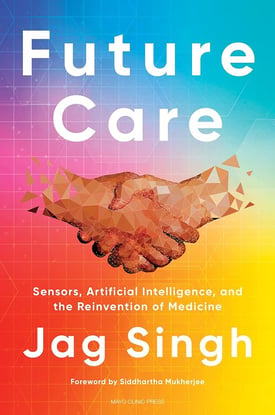
futurecarecoverThe practice of medicine is undergoing a fundamental shift. Artifical intelligence, advanced sensors, and digital health technologies are transforming how physicians diagnose and treat patients. This year’s complimentary book offer aims to keep our insureds informed about the innovations that matter most to their clinical future. 

Future Care: Sensors, Artificial Intelligence, and the Reinvention of Medicine by Dr. Jag Singh explores the digital transformation of healthcare and its implications for both patient care and medical practice, examining the rise of virtual care, the expanding role of sensors, and the growing impact of AI.

About the Author

Jag Singh is a Harvard Medical School professor and cardiologist at Massachusetts General Hospital whose clinical research sits at the intersection of implantable devices, AI, and remote patient monitoring. Written for a broad audience—patients, clinicians, policymakers, and anyone curious about where medicine is headed—Future Care makes the case that healthcare’s next chapter will be defined by sensors, virtual care, and machine intelligence. The foreword is written by Siddhartha Mukherjee, the Pulitzer Prize-winning author of The Emperor of All Maladies and The Laws of Medicine.

Here is a brief overview of what you’ll find inside of Future Care.

Introduction

Singh opens with his own COVID-19 hospitalization, where he witnessed the shift to virtual monitoring firsthand. The pandemic didn’t invent these tools; rather, it forced their adoption. He frames U.S. healthcare’s core problems: enormous cost, chronic disease mismanagement, and an aging population demanding something better.

Part I — Sensors

Making Sense of Sensors

Digital sensors, both wearable and implantable, can now join the body’s own feedback loops. The goal: Use continuous data proactively, catching problems before they become crises.

Doc-in-the-Box

Smartphones paired with wearables track heart rhythm, sleep, activity, and more around the clock. Unlike patients, these devices don’t forget or exaggerate, making integration with healthcare systems the key remaining challenge.

The Failing Heart, The Dying Patient, and Implantable Sensors

Over 6.5 million Americans live with heart failure. Real-time sensors, from implantables that adjust medication automatically to external devices that flag early warning signs, aim to catch decline before it becomes an ER visit.

The Smartwatch Era

Consumer wearables have saved lives by detecting falls and abnormal rhythms. Their current limitation: too many false positives. As algorithms improve, full integration into personal care is a matter of time.

Continuous Care and Novel Sensors: A Recipe for Health

Asthma, diabetes, atrial fibrillation, and electrolyte disorders are already being monitored continuously. The real value arrives when that data flows into the broader medical record.

Part II — Virtual Care

Telehealth: Fad or Here to Stay?

The pandemic made telehealth mainstream. Patients appreciated skipping commutes and waiting rooms. Singh sees it not as a replacement for in-person care but as a durable complement. It is now too embedded in patient expectations to roll back.

Are We Breaking the Bank?

Telehealth reimbursement rates remain lower than in-person visits, creating friction. AI is beginning to extend physician reach. Emerging 6G infrastructure will expand this further.

The Deepening Divide

Access to digital health tools is uneven. The people who need continuous monitoring most are often the least equipped to access it. Singh frames this as a design challenge and a moral imperative. He writes that tools must be simple, affordable, and universally available.

Digital Privacy – An Oxymoron?

Consumer health devices largely fall outside HIPAA protections. Cyberattacks on health systems surged during the pandemic. Singh sees these as solvable problems requiring better regulation and security practices across the industry.

Part III — Artificial Intelligence

Demystifying AI

AI has been embedded in defibrillators for decades. Today it excels at pattern recognition across large datasets (e.g., reading images, flagging lab anomalies). A doctor using AI is more capable than one who isn’t, claims Singh.

Creating the AI Culture

Technology is advancing faster than the culture around it. AI can now read faces and voices for diagnostic clues, but data quality remains a critical ongoing challenge—a system is only as good as what it learns from.

Lazy, Stupid, Biased, or Smarter?

Medical research has historically skewed toward white male subjects, and AI trained on this data inherits the same blind spots. Singh treats algorithmic bias as an urgent problem requiring diverse training data, detection tools, and ongoing auditing.

Predicting and Preventing Death

More than half of heart attacks occur in people never identified as high-risk. AI can read subtle electrical patterns in a standard ECG— signals invisible to any human reader—to shift cardiac care from reactive to genuinely predictive.

Fixes, Failures, and the Future

AI is managing hospital bed flow, assisting in robotic surgery, and helping track disease outbreaks. COVID demonstrated these tools’ value in public health at scale, which may foreshadow their future role in crises.

Part IV — Making Our System Sustainable

The Value Proposition and Incentivizing Change

The current fee-for-service model rewards procedures, not prevention. A physician who coaches a patient toward lifestyle changes that avoid surgery earns less than one who performs the surgery. Rebuilding these incentives is as important as the technology itself.

Choosing the Right Path

Continuous monitoring and AI-generated recommendations could manage chronic conditions largely from the patient’s home. Insurance companies are beginning to move this way. The obstacles are real but navigable, says Singh.

Future Models of Care

Future healthcare requires active participation. Singh’s vision is the “e-patient”: educated, enabled, engaged, and empowered. They should be supported by coordinated providers who share information rather than siloing it.

Hospital of the Future

Hospital rooms will be continuously and automatically monitored. Most rounds will be conducted remotely. Robots will handle logistics, assist in procedures, and reduce the burden on human staff. The hospital becomes a place for the most acute interventions only.

Epilogue

Sensor-aided, AI-powered virtual care is here, but Singh insists it must complement, not replace, the human relationship at the center of medicine. Technology should be in service of human connection. When sensors handle monitoring, clinicians gain time for the conversations that matter most.

Singh’s book is an essential read for those who want to stay ahead of the curve. If you would like to receive a complimentary copy of Future Care, please email AskMarketing@ProAssurance.com and provide your mailing address.


KristenHensleywTITLE


WebBannersJune26-06-1

Complimentary Book Selections for Our Agents and Insureds

Each year ProAssurance offers a complimentary book to our agents and insureds as a “thank you” for placing trust in us as their Provider of Choice. We have a growing library of titles covering various topics in healthcare from artificial intelligence and the future of patient care, to dealing with medical malpractice lawsuits and burnout, to financial management and leadership development. Each selection offers valuable and timely insights intended to support physicians and help them mitigate the threat of risk to their practices. Our agency partners and insureds can order a copy of their complimentary book from our library.

ProAssurance.com/ComplimentaryBooks

The Frontline Healthcare Leader’s Guide: Leadership that Advances Healthcare Work and the People Who Do It

Author: David A. Rogers, MD, and Cullen Clark, PhD  

Frontline healthcare workers play an essential role in patient care, yet few resources exist to support the doctors, nurses, and professionals leading them each day. This book, written by a pediatric surgeon and a medical sociologist, provides a practical, research-based guide to frontline leadership.

The Youngest Science: Notes of a Medicine-Watcher

Author: Lewis Thomas  

The Youngest Science is Thomas’s account of his life in the medical profession and an inquiry into the nature of medicine—the youngest science, but one rich in possibility and promise. Recalling his own training and work as an administrator in hospitals and medical schools, even his experience as a patient, Thomas explores the complex relationships between research and practice, between words and meanings, and between human error and human accomplishment.

The Laws of Medicine: Field Notes from an Uncertain Science

Author: Siddhartha Mukherjee

Written with Mukherjee’s signature eloquence and passionate prose, The Laws of Medicine is a critical read, not just for those in the medical profession, but for everyone who is moved to better understand how their health and well-being are treated. Ultimately, this book lays the groundwork for a new way of understanding medicine, now and into the future.

When Good Doctors Get Sued: A Practical Guide for Physicians Involved in Malpractice Lawsuits

Author: Angela M. Dodge, PhD, with Steven F. Fitzer, JD  

When Good Doctors Get Sued is a practical guide to help physicians understand the complexities of a lawsuit, prepare for a deposition or trial, and avoid common legal pitfalls. Forewarned is forearmed, and an informed and well-prepared witness is a powerful defendant.

The White Coat Investor’s Guide for Students: How Medical and Dental Students Can Secure Their Financial Future

Author: James M. Dahle, MD  

Many professional students feel guilty about living on student loans while simultaneously worrying they may never be able to pay them off. This book, written by a practicing ER physician, will lift the burden of guilt while providing insight into the financial consequences of the major decisions you will face during school and residency training. Assuming no prior knowledge of personal finance and investing, the book is filled with straight talk and clear, easily digestible explanations.

Deep Medicine: How Artificial Intelligence Can Make Healthcare Human Again

Author: Eric Topol  

Topol provides an inspiring look at how deep learning algorithms can further a physician’s ability to create custom treatment plans. His book illustrates how AI can make medicine better and reveals the paradox that machine learning can actually make humans healthier while making healthcare more human.

When We Do Harm: A Doctor Confronts Medical Error

Author: Danielle Ofri, MD  

Published amid the first COVID surge, When We Do Harm addresses the issues of medical error and patient safety. Ofri discusses what patients can do to protect themselves and how to ensure that hospitals and doctors are not committing preventable errors.

The White Coat Investor: A Doctor’s Guide to Personal Finance and Investing

Author: James M. Dahle, MD  

In another selection from the White Coat Investor series, Dahle addresses financial issues specific to medical physicians, dentists, residents, and other high-income professionals. This book includes guides for those wanting to learn more about managing their assets, building wealth, and minimizing the burden of medical school debt.

What Patients Say, What Doctors Hear

Author: Danielle Ofri, MD  

Ofri helps readers understand why patient-doctor communication is key in determining the most effective plan of action for each patient. She explores this topic using research studies and interviews with scholars, doctors, and patients to demonstrate how improved communication can lead to better health outcomes.

Attending: Medicine, Mindfulness, and Humanity

Author: Ronald Epstein, MD  

In this book, Epstein incorporates his own clinical experiences and current research as he explores the four foundations of mindfulness: Attention, Curiosity, Beginner’s Mind, and Presence.Epstein outlines how clinicians can expand their ability to provide high-quality care to patients by integrating mindfulness into their daily practice.

“I’m Sorry to Hear That …”: Real-Life Responses to Patients’ 101 Most Common Complaints About Health Care

Author: Susan Keane Baker and Leslie Bank 

The authors give actionable guidance for clinicians and healthcare professionals facing patient complaints about healthcare. The book builds communication confidence with over 300 service recovery scripts and helpful responses to common patient grievances about billing, service, quality, environment, and more.

Stop Physician Burnout: What to Do When Working Harder Isn’t Working

Author: Dike Drummond, MD  

Drummond, CEO and founder of TheHappyMD.com, helps readers identify, navigate, and heal physician burnout.He includes field-tested tips and strategies physicians from any line of practice can use to stop the downward spiral of stress and overwhelm and find a healthy balance between their professional and personal lives.

Healing Physician Burnout: Diagnosing, Preventing, and Treating

Authors: Quint Studer in collaboration with George Ford, MD 

Healthcare performance expert Studer explains why burnout is so high among physicians and reveals how partnerships within an organization can help physicians prevent or remedy the problem and create a positive, supportive, and goal-oriented working environment. The book covers the red flags and warning signs of burnout and emphasizes understanding and empathy with personal stories of triumph. Health system leaders get strategic tactics for partnering effectively with physicians, and physicians are given the tools they need to help heal their own burnout.

KaelinOReillywTITLEupdate


WebBannersJune26-03

Resource Roundup: Must-Read Reports for 2026

Summer offers a great opportunity to catch up on the reports, studies, and industry analyses that tend to accumulate throughout a busy year. To help, we have curated a collection of insightful resources featuring data, trends, and expert perspectives on a range of topics relevant to your clients and your book of business.

The reports below come from sources we trust: the AMA, ECRI, the Leapfrog Group, the MPL Association, AM Best, and others. They cover hospital safety performance, malpractice claim trends, physician workforce sentiment, patient safety risks, the litigation environment, the state of the MPL market, and more. Some reports are free. Some require membership or purchase. All of them are worth your time.

As always, these resources are meant to be shared. If something here is useful to you, pass it along to a client. Good information, in the right hands, is a valuable risk management tool.

Leapfrog Hospital Safety Grade State Rankings

The Leapfrog Group (Spring 2026)

Leapfrog’s biannual Safety Grade report ranks all 50 states by the percentage of hospitals earning an “A”—a useful proxy for how seriously hospital systems in a given market take patient safety.

In the Spring 2026 edition, Connecticut leads the nation with 64 percent of its hospitals earning an “A,” followed by Virginia (59 percent) and South Carolina (51 percent). At the other end, North Dakota, South Dakota, Vermont, and Wyoming had zero “A”-grade hospitals. Georgia came in at 25 percent, tied for 29th.

For our agency partners, this data is valuable context when prospecting or discussing risk with healthcare clients.

AMA Policy Research Perspectives: Medical Liability Claim Frequency Among U.S. Physicians

American Medical Association (2026)

Published by the American Medical Association’s Policy Research team, this report is the most comprehensive look at how often physicians actually get sued and who is most at risk. Drawing on nationally representative data from 2016 to 2024, the findings show significant variation in claim frequency by physician age, gender, and specialty.

About 60 percent of ob-gyns were sued at least once in their career, followed by 53.1 percent of general surgeons. Nearly 75 percent of ob-gyns and general surgeons aged 55 and over were sued at least once in their career. The report notes that being sued is not the same as medical error, as 65 percent of claims closed between 2016 and 2018 were dropped, dismissed, or withdrawn, and defendants won 89 percent of cases that went to trial.

This is essential background reading for any conversation about malpractice risk with physician clients.

Physician Sentiment Survey: Healthcare's Annual Checkup

Athena Health (2026)

Now in its fifth year, this Harris Poll survey of more than 1,000 physicians nationwide is one of the best barometers of how doctors are actually feeling about their work and the healthcare system. The 2026 results show that physicians are increasingly optimistic about technology in their own practices (62 percent report improved efficiency from their EHRs; 42 percent are experiencing AI-driven reductions in administrative burden), yet only 32 percent remain optimistic about the direction of U.S. healthcare overall.

One striking shift this year is that access to affordable healthcare has surpassed documentation burdens as the top policy concern among physicians, cited by 52 percent. Nearly half (45 percent) still describe their daily workload as unsustainable. And there is a widening AI divide. Sixty-five percent of physicians at enterprise organizations report being comfortable with AI tools, compared to just 43 percent at small practices.

For agency partners who work with smaller independent practices, that last finding is particularly relevant, as these clients may be falling behind on technology that could help them manage risk.

Top 10 Patient Safety Concerns

ECRI (2026)

Each year ECRI and the Institute for Safe Medication Practices compile their list of the most pressing patient safety threats, drawing on incident reports, scientific literature, and expert input. In 2026, navigating the AI diagnostic dilemma tops the list for the first time, which may reflect how rapidly AI tools are being deployed in clinical settings without consistent governance or oversight. ECRI cautions that overreliance on AI can lead to missed, delayed, or incorrect diagnoses, and that AI models are only as reliable as the data they are trained on.

The full top 10 also includes reduced access to rural healthcare, rising rates of preventable acute diseases (measles, pertussis), the effects of federal funding cuts on operations, and a persistent “culture of blame” that discourages clinicians from reporting near-misses. ECRI estimates that preventable adverse events cost U.S. hospitals $17.1 billion annually.

This report is a natural conversation starter with risk managers and practice administrators, and a useful reference when discussing the emerging liability exposures around AI-assisted care.

Judicial Hellholes® Report

American Tort Reform Foundation (2025–2026)

Published by the American Tort Reform Foundation, the Judicial Hellholes® report identifies jurisdictions where the litigation environment is most hostile to defendants. The 2025-2026 edition names eight jurisdictions as full “Hellholes,” led by Los Angeles, New York City, South Carolina’s asbestos docket, and Louisiana’s coastal litigation courts. Philadelphia’s Court of Common Pleas also makes its regular appearance on the list.

These rankings matter directly to our business. Clients practicing in or near these jurisdictions face elevated litigation risk, longer claim tails, and the potential for nuclear verdicts. The report is worth sharing with clients in these markets as part of a broader conversation about documentation practices, risk management, and the litigation environment in which they are operating.

Best & Worst States for Doctors

WalletHub (2026)

Every year WalletHub evaluates all 50 states and D.C. across 19 metrics—including average physician wages adjusted for cost of living, hospital quality, burnout rates, and malpractice award amounts per capita—to rank the best and worst environments for practicing medicine.

In 2026, Montana holds the top spot for the second consecutive year, followed by Indiana and Louisiana. At the bottom: Rhode Island, New Jersey, and New York. From a malpractice perspective, the metrics on malpractice award payout amounts per capita are particularly informative: North Dakota ranks lowest (best for physicians), while New Mexico, D.C., Pennsylvania, New Jersey, and New York tied for the highest (worst for physicians).

For agency partners, this is a useful tool when talking to physicians considering a practice relocation or when explaining why premiums may vary so much by state.

Top 10 Cyber Incidents 2025

Tokio Marine HCC (2026)

Now in its sixth year, Tokio Marine HCC International’s annual cyber incidents report is one of the most readable summaries of where cyber risk is heading. The 2025 edition highlights three recurring themes: ransomware, technology supply-chain compromise, and the concentration risk created by a handful of hyperscale cloud providers.

Of particular note for healthcare: a separate Tokio Marine analysis from 2025 found that healthcare cyber-attack frequency surged roughly 90 percent in 2025 from the prior year, with loss costs more than doubling. VPN vulnerabilities without multi-factor authentication are cited as the entry point in 50 percent to 60 percent of ransomware incidents. And in a first for the industry, the report documents an AI-orchestrated espionage campaign in which roughly 80 percent to 90 percent of the attack sequence was automated.

This is excellent material for cyber risk conversations with physician clients and practice administrators, particularly smaller practices that may not have robust IT infrastructure.

Market Segment Report: Challenges Persist for the MPL Market; Insurers Focus on Pricing Integrity and Strategic Risk Management

AM Best (2026)

AM Best’s annual MPL segment report is essential reading for anyone in our industry. The 2026 edition finds the segment reporting a collective underwriting loss of $712 million in 2025, up from $546 million the prior year, as rising claims severity and social inflation continue to pressure results. Direct premiums written grew 3.6 percent to $9.4 billion, but that growth trailed expectations amid competition and mounting loss costs.

The silver lining continues to be net investment income, which helped the composite post a second consecutive year of pretax earnings above $1 billion. However, favorable prior-year reserve development has been shrinking—down to just $155 million in 2025 from over $1 billion in earlier years. AM Best expects this trend to turn negative in the near term as social inflation affects both claim frequency and settlement patterns. The report also covers evolving risks including third-party litigation funding, AI adoption liability, and cyber exposure.

This is one of the best external benchmarks for understanding where the MPL market stands today and where it is heading.

MPL Insurance Year-End Sector Report: 2025 Financial Results Analysis and 2026 Financial Outlook

MPL Association (2026)

While the AM Best report looks at the MPL segment from a ratings and market stability perspective, the MPL Association’s annual Sector Report series offers the industry’s most granular view broken out by physicians, hospitals, other healthcare professionals, and other facility sectors. The June 2026 year-end edition covers 2025 financial performance across the full industry (not just specialty writers) and examines combined ratios, accident-year loss ratios, premium growth, and prior-year reserve development.

The full report is free to MPL Association members and available for purchase by non-members.

As always, if you come across something worth sharing with the broader group, please send it to AskMarketing@ProAssurance.com. We’ll be sure to include it in a future roundup.


KristenHensleywTITLE


WebBannersJune26-07
Extreme Ownership

Leadership Principles for the Business Battlefield

Introduction

The idea of absolute ownership in organizational leadership isn’t new. The authors of the book Extreme Ownership themselves note that the most successful leaders they’ve encountered in both military and civilian domains practice it, even if they don’t use the term. What the authors call extreme ownership is a no-excuses, no complaining, no-blame-casting leadership approach where the leader takes ownership of everything that happens under their command, including the actions of everyone below them in the reporting structure. This seems like a traditional top-down approach—until you realize that it applies to every member of an organization, not just executives and managers.

Origins

In the decades after Vietnam—with no sustained combat engagements—many of the combat leaders who served in that war retired, creating a leadership void. September 11, 2001, and the Global War on Terror that followed changed all that. New leaders were forged in battle. Leadership principles that failed were discarded. Those that were successful were further honed on the battlefield where mistakes often meant death. Through those post-9/11 years, the U.S. Navy SEAL teams underwent a leadership transformation, “emerging from the triumphs and tragedies of war, with a crystallized understanding of what it takes to succeed in the most challenging environments that combat presents.”1 It was here that U.S. Navy SEAL officers Jocko Willink and Leif Babin developed their leadership approach, using it first in Navy SEAL training and later with their consulting business Echelon Front.

The principles of extreme leadership are not just for leaders at the top level of organizations, but a whole-of-organization approach where every member takes absolute ownership of their responsibilities and those “downstream” of them.

In Extreme Ownership, the authors share how they’ve worked with a wide range of industries and organizations including finance, construction, manufacturing, technology, pharmaceutical, and healthcare, as well as military, police, fire departments, first responders, and more. Using the Battle of Ramadi and the various organizations encountered in their business clients as backdrops, they introduce the 12 principles of extreme ownership. In all these settings, say the authors, the most successful leaders practice these principles of extreme ownership, whether they are knowledgeable of it or not.

  • Extreme Ownership

  • No Bad Teams, Only Bad Leaders

  • Believe

  • Check the Ego

  • Cover and Move

  • Simple

  • Prioritize and Execute

  • Decentralized Command

  • Plan

  • Leading Up and Down the Chain of Command

  • Decisiveness Amid Uncertainty

  • Discipline Equals Freedom

Case Studies

Below are descriptions of two key principles of extreme ownership with a summary of the case study showing how the principle was used to help a business executive address a seemingly intractable problem.

Principle: Extreme Ownership

The mindset and attitude which is foundational to the best leaders and organizations: they don't make excuses, blame others or circumstances. Instead, they take ownership of mistakes and failures and implement effective solutions that get problems solved.”2

The vice president of a large manufacturing company wasn’t meeting the goals set by the board of directors. He was technically sound and had a lot of experience in the industry. To address the issues, he developed a plan to restructure manufacturing operations and introduce an incentivized bonus program. The plan was sound, according to Willink and Babin, but execution was lacking. The VP delivered excuses at each quarterly meeting as to why his plan was failing. His job was now at risk by the board. With the principles of extreme ownership, the VP finally realized he was ultimately responsible for the lack of results. At the next board meeting, he took responsibility for the results and told the board that he amended the plan with corrective measures he would implement to ensure execution. These measures focused first on what he was going to do differently, including taking responsibility to ensure his subordinate leaders knew their roles and what was expected. The new plan showed positive results, helping him maintain his position and deliver the results the board expected of him.

Principle: Decisiveness Amid Uncertainty

“It is critical for leaders to act decisively amid uncertainty, to make the best decisions they can based on only the immediate information available. … There is no 100 percent right solution. The picture is never complete. Leaders must be comfortable with this and be able to make decisions promptly, then be ready to adjust those decisions quickly based on evolving situations and new information.”1

A successful software company was experiencing rapid growth and revenue in its first five years. With this growth came growing pains including attempts from competitors to recruit senior engineers and current leadership jockeying for position. Two highly competitive senior engineers at the company were engaged in just this sort of cutthroat maneuvering including blame-casting and criticizing each other to their CEO who attempted to mitigate their animosity and competitiveness with little success. The feud was destructive to the team, each to the CEO that the other was planning to leave and take team members to a competitor, and each insisting the other should be fired. The CEO was at a loss for what to do. The two engineers were valuable team members, but their disruption could cost the company its market momentum. She knew one needed to be fired but she feared the loss of their teams. She was stuck in uncertainty. With the principles of extreme ownership as a guide, she began formulating a plan. She dug down into the dynamics of the situation and found that the teams were highly effective despite the machinations of their leaders, and none had strong loyalty to either of the two wayward engineers. With the fear of losing whole teams to resignations gone, the CEO took ownership and identified a member from each team to promote to the senior position and fired both troublesome engineers.

REFERENCES

1. Jocko Willink and Leif Babin, Extreme Ownership: How U.S. Navy SEALs Lead and Win (New York: St. Martin’s Press, 2015).

2. Jocko Willink and Leif Babin, The Official Extreme Ownership Companion Workbook (Jocko Publishing, 2022).

ScottSpinolawTITLEupdate


WebBannersJune26-04
Prioritize and Execute:

A Personal Reflection on Extreme Ownership

My first exposure to Extreme Ownership occurred during a company meeting shortly after the announcement that ProAssurance would be acquired by The Doctor’s Company. At a time marked by uncertainty and transition, I chose to read the book in advance of any formal discussions or book clubs to better understand the leadership philosophy and culture I would soon have the opportunity to experience. While not every concept fully resonated with me, several principles aligned closely with behaviors I had observed—and practiced—throughout my career, even if I had not previously articulated them in this way.

One concept that particularly resonated was the principle of “prioritize and execute.” Throughout my professional career, both as an attorney and now as a leader in risk management, I have placed significant emphasis on not only identifying priorities but also effectively executing them. The authors reinforce this approach noting that when faced with competing demands it is essential to step back, identify the highest priority, and focus efforts accordingly. The guidance to “detach, assess, and execute” provides a clear and actionable framework for navigating complex problems.

Over the course of my tenure at ProAssurance, I have progressed through multiple roles within the Risk Management department, from an entry-level consultant to my current position as department leader. Each transition has required a more refined approach to managing both projects and people. While I have always been highly task-oriented and inclined toward detailed planning, I was given early career advice that challenged my instincts: avoid multitasking. Although counterintuitive at the time, I came to understand that what is often perceived as multitasking is, in reality, rapid task-switching, which can reduce efficiency due to the cognitive “switch cost” required to refocus between activities.

I’ve intentionally shifted to a more “mono-tasking” approach using time blocking to carve out focused, uninterrupted time for individual projects or tasks. I still rely on structured lists to stay organized, but now I pair them with deliberate scheduling to better prioritize and follow through. This approach has improved my productivity and helped reduce feeling overwhelmed, allowing me to stay fully focused on one initiative at a time rather than splitting my attention across competing demands.

Overall, applying “prioritize and execute” has enabled me to focus on what matters most, take decisive action, and consistently deliver results with greater clarity and efficiency.


MalloryEarleywTitleUPDATE


TheBindOrderBannerUPDATE

The Bind Order

This selection of accounts ProAssurance bound recently is intended to give our partners tangible examples of risk classes we’ve been successful quoting and that we’d like to see more of. These examples are anonymized with final premium rounded but otherwise present actual accounts.

SOLO PHYSICIANS

GASTROENTEROLOGY
Arkansas
Limits: $1M/$3M
Admitted
Premium: $15,000

NEPHROLOGY
California
Limits: $1M/$3M
Admitted
Premium: $3,500

ANESTHESIOLOGY
North Carolina
Limits: $1M/$3M
Admitted
Premium: $9,400

ANESTHESIOLOGY
California
Limits: $1M/$3M
Admitted
Premium: $4,300

NEUROLOGY
Pennsylvania
Limits: $500k/$1.5M
Admitted
Premium: $12,000

NEUROLOGY
Florida
Limits: $250k/$750k
Admitted
Premium: $4,500

FAMILY PHYSICIAN
New York
Limits: $1M/$3M
Admitted
Premium: $6,900

PEDIATRICS
Texas
Limits: $200k/$600k
Admitted
Premium: $2,900

INTERNAL MEDICINE
Alabama
Limits: $1M/$3M
Admitted
Premium: $10,000

MEDICAL GROUP

FAMILY MEDICINE
Indiana
Limits: $500k/$1.5M
Admitted
Premium: $7,400

HOSPITALIST
Michigan
Limits: $200k/$600k
Admitted
Premium: $554,000

MISCELLANEOUS MEDICAL

AMBULATORY SURGERY CENTER
Georgia
Limits: $1M/$3M
E&S
Premium: $20,000

DIALYSIS
New York
Limits: $1M/$3M
E&S
Premium: $121,000

SENIOR CARE FACILITIES

HOSPITAL
Mississippi
Limits: $500k/$1.5M
E&S
Premium: $169,000

ADVANCED PRACTICE CLINICIANS

CERTIFIED REGISTERED NURSE ANESTHETIST
Indiana
Limits: $500k/$1.5M
Admitted
Premium: $1,700

New Business Submissions 

Our standard business intake address for submissions is Submissions@ProAssurance.com. For specialty lines of business, please use one of the following: CustomPhysicians@ProAssurance.com, Hospitals@ProAssurance.com, MiscMedSubs@ProAssurance.com, and SeniorCare@ProAssurance.com. Visit our Producer Guide for additional information on our specialty lines of business.

The types of business and premium amounts are illustrative of where we have written new business and not intended to reflect actual pricing or specific appetites.

Get all past editions of The Bind Order on our Marketing Materials page.

MicrosoftTeams-image (28)
The Best Books for Insurance Agents

Although important and necessary, acquiring knowledge as an insurance agent doesn’t just have to consist of checking off continuing education requirements. Pick up one of these books to motivate and inspire you for your next sale! These suggestions cover a large range of entrepreneurial topics that are all useful to the self-employed independent insurance agent. (Ritter Insurance Marketing)

Read more →

Top 20 Business Books for Insurance Agency Owners

The authors consulted our bookshelves and found some great classics, some personal old faithfuls, and some books that are newer to the market. (There are even one or two podcasts in our lists.). These offer plenty of helpful advice and insight into how to tune up, streamline, and jump start your agency. (Agile Cap) 

Read more →

11 Great Books Hand-Picked by Doctors for Your Reading List

This list includes (in alphabetical order) 11 nonfiction books that AMA members who have participated in the “Shadow Me” Specialty Series recommend reading. Each doctor is from a healthcare organization that is part of the AMA Health System Member Program, which provides enterprise solutions to equip leadership, physicians, and care teams with resources to help drive the future of medicine. (American Medical Association)  

Read more →

Top Business Books in 2026

The New York Times list of best-selling business books for the month of June. The list includes a few titles that have become modern staples of any business-themed shelf as well as some up and coming options. (The New York Times)  

Read more →

Most Popular Books Published in 2026

Goodreads provides a roundup of the best selling and most popular books on their platform so far this year. There is a great deal of variety that can provide inspiration for those looking for something to toss in your travel bag this summer. (Goodreads)  

Read more →

21 Best Beach Reads to Toss in Your Tote This Summer

From sandy mysteries to coastal romances, these books are best enjoyed oceanfront. Whether you’re looking for lakeside romances; fast-paced thrillers set on a luxe yacht cruising through the Mediterranean; or historical novels that take place on the charming beaches of Nantucket, Sullivan’s Island, Martha’s Vineyard, and beyond, there is a book for every type of reader. (Country Living)  

Read more →

Ties that Bind updated Banner

Selling Through the Season of 'Let’s Circle Back'

June26TTB_FIX

I’ve written previously in ProVisions about how the Thanksgiving/Christmas holidays were an annual business stressor—not because I don’t enjoy family time or the celebrations, but because those weeks disrupted sales momentum. Many HCPs and support staff avoided business discussions until after the New Year.

And then there’s summer.

Same problem. Different weather.

Summer is vacation season. Once a physician or department head mentally checks out, everything optional waits. Unlike the holidays, which involve just about everyone for five concentrated weeks, summer is a rotating cast of clients and prospects who respond to business efforts with, “I’m going on vacation shortly. Call my office next month” (or some version of “after summer’s over”).

Like every other sales rep who didn’t want to shoot themselves in the wallet, I’d swallow what I was actually thinking and say something polite: “Wonderful. Have a great time. We’ll reconnect when you get back.” It feels professional. It also quietly kills momentum, and after enough summers, it made me question why I didn’t just take these months off.

Then I found something that worked better.

When someone tried to postpone me into the next season, I’d have some fun with them (while still being accommodating, of course) and toss out some verbal clickbait they couldn’t resist.

“Perfect. I’ll be in touch then. I hope I remember to tell you the story of what happened to an orthopedic surgeon who, I believe, uses the same approach you do—and what it ended up costing them. Remind me to tell you, in case I forget ... what happened was completely avoidable. I’d really like your take. …”

Is it a little dramatic? Yes.

That’s why it works.

Because what happens next (more often than not) is curiosity kicks in. And suddenly, the person who “can’t meet until September” finds themselves asking:

“Wait … what happened?”

Now if you’re reading this and thinking this is unethical in some way, allow me a moment to defend my actions. First, I never make up a story. Throughout my career, I have collected stories at every opportunity because I learned that while data can be ignored, people have a hard time ignoring a story—especially when it’s about someone like them.

The second reason I felt justified is because of the irony of the situation. Maybe they’re delaying business decisions, but they’re still practicing medicine. The risks they face are just as real before vacation as they’ll be when they’re back.

Out of politeness, it’s natural to signal that what we’re offering is optional—something to consider when the timing is right. The problem is, if it sounds optional, it gets treated as optional. But if it sounds like something that could prevent a financial hit, a compliance issue, or one of those painful “How did we miss this?” conversations …

… now you have their attention. You’ve just moved from another MPL agent to someone who’s looking out for their best interests.

So the next time you hear, “I’m slammed,” or “Let’s circle back after vacation,” don’t fight the timing. Respect their position, but when possible, offer a “coming attraction” of what you’re planning to discuss. Let them decide if they still want to wait.

Because while schedules are seasonal … consequences are not.

And if they still want to wait? No problem—schedule the follow-up.

Just don’t be surprised when they lean in and ask:

“So … what happened to the colleague?”

 

Headshots10


Written by Mace Horoff of Medical Sales Performance.

Mace Horoff is a representative of Sales Pilot. He helps sales teams and individual representatives who sell medical devices, pharmaceuticals, biotechnology, healthcare services, and other healthcare-related products to sell more and earn more by employing a specialized healthcare system.

Have a topic you’d like to see covered? Email your suggestions to AskMarketing@ProAssurance.com.

50thProVBanner

Our 50th Year

Takin’ Care of Business

Fifty years. It’s a milestone that deserves more than a single moment of celebration. It deserves a whole year of reflection, gratitude, and storytelling. Each month, we'll be pulling back the curtain on how we got here: the early days and big dreams, the people who shaped our culture, the pivots and breakthroughs, and the countless moments that made us who we are today. Here’s to 50 years—and to everything still ahead. This month we are reminiscing with employees who joined the company with Eastern Alliance.

Frank Baker
Director Risk Management and Premium Audit
Celebrating 31 years in 2026
Frank joined Eastern Alliance via Employers Security Insurance Company

Jody Kreider
Senior Compliance Specialist
Celebrating 46 years in 2026 (Jody is ProAssurance’s longest tenured employee!)
Jody joined Eastern Alliance via Educators Mutual Life Insurance Company

Marisol Torres
Senior Accounts Payable Specialist
Celebrating 35 years in 2026
Marisol joined Eastern Alliance via Educators Mutual Life Insurance Company

Tell us about your favorite ProAssurance memory or a moment you will never forget.

I always enjoyed [former ProAssurance CEO] Stan Starnes’ stories to the team at the quarterly meetings. He always found a way to relate an interesting life story to the challenge of the day. – Frank

I was one of the first employees to use a computer since I worked with the Actuarial department. I always enjoyed the company gatherings that included families. I am proud of my 46 years of service with the organization. – Jody

I have two favorite memories: (1) The day that I went to apply for a receptionist position but was offered an accounting position instead (my favorite subject throughout my school years and of course I said yes!) and (2) All my years of service! – Marisol


What has been the most rewarding part of your time at ProAssurance?

The opportunity to grow professionally within my field and move up through leadership roles with the support and mentoring of peers and organizational leaders. I have had the opportunity to represent Eastern many times presenting at national and regional conferences, being published in a peer-reviewed professional journal, and having an influence on the development of those I hired over the years in achieving their career goals. – Frank

The camaraderie and the mentors I had. – Jody

Working with such a great group of coworkers throughout the years and the work flexibility. – Marisol


What is one thing that has changed significantly in your position or in the Company since your early days?

Availability of technical information via the internet. I began my career in 1984 with just a telephone on a Steelcase desk and a handful of reference books that were shared by an entire department—not a PC or laptop anywhere in sight, or even on the horizon at that point. Now I struggle with having enough plug-ins to support everything on my desk at the same time. Frank

Being able to create and correct documents and other items easily using electronic tools/software instead of manually typing and using carbon copy paper. The reduction of paper copies. Also being able to work from home. – Jody

Being able to work from home. – Marisol

Please share any advice or words of wisdom for new team members starting their journey at ProAssurance.

Take advantage of any opportunities you can for professional development. Position yourself to be ready when opportunities within the organization become available, then execute on putting yourself there. You have to own your destiny, and that takes dedication to hard work to make that happen. Frank

Take advantage of the training/educational items that are available to assist in furthering your career. – Jody

Always enjoy the work that you do and provide. – Marisol


About Eastern Alliance  

Since 1997, Eastern Alliance has been committed to serving the specialty workers’ compensation insurance needs of diverse companies and organizations. It is our mission to deliver a highly personalized, best-in-class experience to our agents and their clients.

Through this commitment, Eastern has redefined the approach of workers’ compensation to workers’ recovery. This is made possible through our long-term partnerships, commitment to workplace safety, and dedication to returning injured workers to wellness and the dignity of work. Eastern joined the ProAssurance family of companies in 2014.

RMUpdatesBanner

Risk Management Updates

RAPID RISK REVIEW PODCAST
Bridging the Gap: Navigating the Time Between an Event and Legal Support

An unexpected clinical outcome can trigger a cascade of emotions and professional uncertainty. In this high-stakes environment, the minutes and hours immediately following an event are often the most defining for your future liability and peace of mind.

In this episode, we are joined by Adam Draney, Director of Claims at ProAssurance, to discuss the "Pre-Counsel Gap"—the crucial, often chaotic window of time between an adverse event and the formal assignment of legal defense. Adam pulls back the curtain on the claims process, offering practical, expert-vetted guidance on how physicians should conduct themselves to protect their patients, practices, and professional reputations.


LISTEN IN

Keep Up-to-Date on All Our Risk Management Resources

Our weekly risk management newsletter features the latest releases from ProAssurance’s Risk Management department—as well as highlights from our expansive online library of tools and publications. Join our email list.

Love Wordle? Have You Tried Insurdle?

ProAssurance shares custom Wordle games (dubbed Insurdle) on LinkedIn each Monday. Our puzzles all include words related to medicine, insurance, or the law. Try your luck and share your answers to see if you can beat out your friends and colleagues for gaming dominance.

Bonus Puzzle – Connections

As an exclusive bonus for our ProVisions readers, check out our custom Connections game! All categories are related to MPL, insurance, or ProAssurance. Good luck!

Play Connections

About Our Games

Wordle and Connections are available from The New York Times.

Wordle is a spelling game. Guess five letter words to discover the word of the week. Green letters are correct and in the correct space. Yellow letters are in the word, but in a different space. Gray letters are not included in the word.

Connections is a matching game. Each puzzle includes four categories with four words each. Select four words at a time to try to discover the correct groupings.

Submit Your Pictures of Agent Meetings Past

As part of our 50th year celebration, we are seeking out photos of our past agent events. Whether you attended Leadership Circle, Elite, Leadership Elite, or a variation much further in the past, we would love to share your memories as part of our roundup. The older the better!

Email photos to AskMarketing@ProAssurance.com. If possible, please include the location, year, and attendees present in the photos.

Practice Administrator Seminar 2026

AI in Practice Management: Navigating Risks and Opportunities

Our 2026 Practice Administrator Seminar (PAS) is now available. Your clients can sign in from any page of ProAssurance.com or RiskManagement.ProAssurance.com to take this one-hour seminar.

This course is specifically designed for physician practice managers and healthcare administrators seeking an understanding of artificial intelligence and its rapidly evolving role in medical practices. The curriculum explores current and emerging applications of AI, highlighting both risks and opportunities relevant to operational management. Emphasis is placed on patient safety concerns that could impact medical malpractice exposure. Participants will learn practical risk management strategies and actionable steps for effectively and safely integrating AI into a practice’s daily operations.

ProVisions Team

Emily Kelly-Gillingham
Emily Kelly-Gillingham Communications & Digital Marketing Director
Headshot_KristenProVWeb
Kristen Hensley Communications Supervisor
ScottSpinola
Scott Spinola Senior Communications Coordinator
Kaelin O'Reilly
Kaelin O'Reilly Senior Communications Specialist
EricaHess 1
Erica Hess Manager, Creative Services
Kat McPeak
Kat McPeak Senior Creative Services Coordinator
ErikSeelman 1
Erik Seelman Senior Graphic Design Specialist
AndrewSegura
Andrew Segura Digital Marketing Supervisor
BethUlle
Bethany Ulle Senior Digital Marketing Specialist
June26Footer